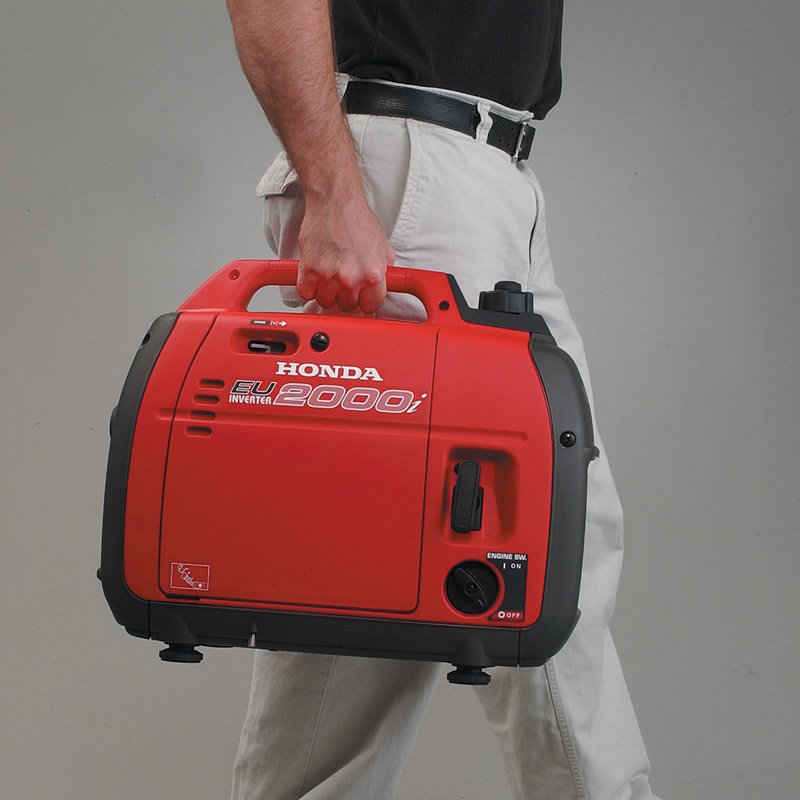
That familiar, quiet hum of a Honda EU2000i generator is a comforting sound for many – a promise of power when the grid falters, or a trusty companion on your outdoor adventures. But like any powerful piece of equipment, ensuring the safe operation and storage of your Honda EU2000 is paramount. It’s not just about keeping your investment in top shape; it’s about protecting yourself, your family, and your property from preventable hazards.
This guide cuts through the noise to give you the essential, actionable information you need to operate and store your EU2000i safely and confidently, without the jargon. Think of it as your owner's manual, but written by someone who's actually used one in a blackout.
At a glance: Your EU2000i Safety & Storage Quick-Guide
- Carbon Monoxide Kills: ALWAYS operate your generator outdoors, far from windows, doors, and vents. Never inside a home, garage, shed, or partially enclosed space.
- Fuel Facts: Use fresh, unleaded gasoline. Store fuel in approved containers, away from ignition sources. Add fuel stabilizer for any storage beyond 30 days.
- Stable Ground: Place your generator on a firm, level surface, away from anything flammable.
- Check Before You Go: Before each use, inspect oil levels, fuel, and air filter.
- Cool Down: Let the generator cool completely before refueling or storing.
- Long-Term Storage Prep: Drain the fuel system or use a stabilizer, change the oil, and store in a clean, dry place.
- Respect the Power: Never overload your generator and ensure proper grounding.
Understanding Your Honda EU2000i: Power with Responsibility
The Honda EU2000i (and its successor, the EU2200i, which shares many operational principles) is renowned for its quiet operation, fuel efficiency, and portability. Its inverter technology delivers clean, stable power, making it ideal for sensitive electronics. This makes it a popular choice for camping, tailgating, and essential home backup. However, its small size and quiet nature can sometimes lead people to underestimate the inherent dangers of internal combustion engines, especially concerning exhaust gases and flammable fuels.
Treating your generator with the respect it deserves, starting with a solid understanding of its safety features and requirements, is the first step toward years of reliable, worry-free power. For a deeper dive into everything this versatile machine offers, explore our Honda EU2000i generator hub.
Critical Safety Checks Before Every Start
Before you even think about pulling that recoil starter, a quick visual inspection and a few basic checks can prevent most operational issues and, more importantly, ensure safety.
1. The Fuel System: Your Generator’s Lifeline (and Hazard)
Gasoline is highly flammable, and its vapors are explosive. Treat it with extreme caution.
- Fresh Fuel Only: Use fresh, unleaded gasoline with an octane rating of 86 or higher. Ethanol content should be 10% or less (E10 or less). Ethanol can attract moisture, degrade fuel lines, and cause carburetor issues over time, so avoiding it entirely if possible is best.
- Check Fuel Level: Ensure you have enough fuel for your task, but never fill the tank to the very brim. Leave a little space for fuel expansion, especially in warm weather.
- Secure Fuel Cap: Make sure the fuel cap is securely tightened to prevent spills and vapor escape.
- No Leaks: Visually inspect the fuel tank, lines, and carburetor for any signs of leaks. If you find one, do not operate the generator until it's repaired.
- Proper Fuel Storage: Store gasoline in approved, sealed containers, preferably metal, in a well-ventilated area away from any ignition sources (like water heaters, furnaces, or even direct sunlight that can heat the can). Keep it out of reach of children and pets.
2. Oil Level: The Engine’s Blood
Just like your car, your generator’s engine needs adequate oil to prevent damage and run smoothly.
- Check Dipstick: Place the generator on a level surface. Remove the oil fill cap/dipstick, wipe it clean, and reinsert it without screwing it in. Remove it again and check the oil level.
- Top Up if Needed: The oil should be between the upper and lower limits on the dipstick. If low, add the recommended oil (usually 10W-30 for general use, consult your manual for specific temperature ranges) to the upper mark. Don't overfill.
- Regular Changes: Follow Honda’s recommended oil change intervals, typically after the first 20 hours and then every 100 hours of operation. Clean oil is crucial for engine longevity.
3. Air Filter: Breathing Easy
A clean air filter is vital for proper combustion and engine performance.
- Inspect for Debris: Remove the air filter cover and check the filter element. It should be clean and free of excessive dirt, dust, or debris.
- Clean or Replace: If dirty, clean it according to your manual’s instructions (often tapping out loose dirt or washing with mild soap and water, then air drying completely). Replace if damaged or heavily soiled.
4. General Condition & Grounding
A quick once-over helps catch potential problems.
- Clear the Area: Ensure nothing is blocking the cooling air inlets or exhaust outlet. Remove any debris, leaves, or anything flammable around the generator.
- Cables & Cords: Inspect extension cords for fraying, cuts, or exposed wires. Only use heavy-duty outdoor-rated extension cords that are properly sized for the electrical load.
- Grounding: For most portable applications, the EU2000i's internal grounding is sufficient. However, for certain uses (e.g., connecting to a home’s electrical system via a transfer switch, or on construction sites), an external ground rod might be required. Always consult a qualified electrician and your local codes for specific grounding requirements, particularly for more complex setups.
Operating Your EU2000i Safely: The Golden Rules
Once your pre-start checks are complete, it's time for safe operation. Remember, the biggest risks are carbon monoxide poisoning and fire.
1. The Absolute Rule: Outdoors and Far Away
This cannot be stressed enough: NEVER run a generator indoors or in any partially enclosed space. This includes garages, sheds, tents, basements, or even under a carport if the ventilation isn't absolutely open to the outside.
- Minimum Distance: Place the generator at least 20 feet (6 meters) from your home, RV, or any other structure, and ensure the exhaust is pointed away from any doors, windows, or vents. Even with significant distance, exhaust gases can drift indoors.
- Upwind: Position the generator so that the exhaust is carried away by the wind, not towards your living space.
- Level, Stable Surface: Operating on an uneven surface can lead to fuel or oil spills and potential fire hazards.
- No Rain, No Shine: While the EU2000i is built for outdoor use, it's not waterproof. Protect it from rain or snow with an open, canopy-style structure that allows for ample airflow above and around the generator. Never enclose it entirely.
- CO Detectors Are a Must: Install battery-operated carbon monoxide (CO) detectors in your home, RV, or tent, and check their batteries regularly. These are your second line of defense against the silent killer. Consider them non-negotiable when using a generator. Understanding carbon monoxide poisoning prevention is crucial for anyone operating a portable generator.
2. Starting the Generator: A Step-by-Step
Your Honda EU2000i is designed for easy starting, but follow the correct sequence:
- Fuel Cap Vent: Turn the fuel cap vent lever to the "ON" position. For models with a cap vent switch, switch it to "ON." This allows air into the fuel tank.
- Engine Switch: Turn the engine switch to the "ON" position.
- Choke (Cold Start): If the engine is cold, move the choke lever to the "CHOKE" position. For a warm engine, the choke might not be necessary.
- Pull Cord: Pull the starter grip lightly until you feel resistance, then pull it briskly.
- Choke (Warm Up): Once the engine starts, gradually move the choke lever back to the "RUN" position as the engine warms up (usually within 30 seconds to a minute).
- Eco-Throttle: If you're not running a heavy load immediately, you can engage the Eco-Throttle switch to conserve fuel and reduce noise. The generator will automatically adjust engine speed to match the load.
3. Electrical Safety: Connecting Your Devices
Connecting appliances to your generator requires thought.
- Direct Connection: Plug appliances directly into the generator's outlets using appropriate extension cords.
- Transfer Switch (for Home Backup): If you intend to power your home's circuits, you must have a manual transfer switch installed by a qualified electrician. This prevents "backfeeding" electricity into the utility lines, which can electrocute utility workers. Never plug your generator directly into a wall outlet (known as "backfeeding").
- Overload Protection: Your EU2000i has built-in circuit breakers. If the generator overloads, it will trip the breaker. Reduce the load before resetting it.
- Water & Electricity Don't Mix: Never operate the generator with wet hands, in standing water, or on wet ground. Keep all connections dry.
4. Refueling: A Cool Head Prevails
Running out of gas is common, but rushing to refuel is dangerous.
- Shut Down and Cool: Always turn off the generator and let it cool for at least 15-20 minutes before refueling. Hot engine parts and fuel vapors are a dangerous combination.
- Stable Ground: Refuel on a level, stable surface.
- No Spills: Use a funnel to prevent spills. If you do spill fuel, wipe it up immediately and allow any residual vapors to dissipate before restarting.
- Ventilation: Refuel in a well-ventilated area, away from any open flames, sparks, or ignition sources.
- Hand Protection: Consider wearing fuel-resistant gloves to protect your skin.
Maintenance for Longevity: Keeping Your EU2000i in Peak Condition
Regular maintenance isn't just about safety; it's about extending the life of your investment. Think of it as preventative care. For more detailed instructions on what needs attention, review a comprehensive generator maintenance checklist.
1. Oil Changes
Crucial for engine health. As mentioned, the first change is often recommended at 20 hours, then every 100 hours or annually, whichever comes first.
2. Air Filter Cleaning
Check every 50 hours or every 3 months. Clean or replace as needed to ensure optimal air intake.
3. Spark Plug Inspection
Inspect every 100 hours or 6 months. Clean carbon deposits, adjust the gap if necessary, and replace if electrodes are worn. A clean, properly gapped spark plug ensures efficient ignition.
4. Fuel Filter/Strainer
Inspect the fuel strainer (often located in the fuel tank opening) for debris. Clean it if necessary. Some models also have an inline fuel filter that may need periodic replacement.
5. Exhaust Spark Arrester
If your EU2000i is used in areas where wildfires are a concern, it will have a spark arrester in the muffler. This screen prevents hot carbon particles from exiting the exhaust. Clean it every 100 hours or annually to prevent clogging and maintain engine performance.
Safe Storage: Protecting Your Investment and Preventing Hazards
How you store your EU2000i can significantly impact its longevity and your safety. This section differentiates between short-term and long-term storage.
Short-Term Storage (Less than 30 Days)
For periods less than a month, minimal preparation is needed, but key steps ensure it’s ready for the next use.
- Fuel Stabilizer: If you anticipate not using the generator for more than a few weeks, it's wise to add a high-quality fuel stabilizer to the gasoline in the tank. Run the generator for 10-15 minutes after adding the stabilizer to ensure it circulates throughout the fuel system. This prevents fuel degradation and gumming in the carburetor. [Placeholder_link slug="choosing-generator-fuel-stabilizer" text="Choosing the right fuel stabilizer"] can save you headaches down the road.
- Turn Off Fuel Valve (if applicable): Some generators have a fuel shut-off valve. Turning this off allows the carburetor to run dry, preventing stale fuel issues.
- Clean Exterior: Wipe down the generator to remove dirt, grime, and any fuel spills.
- Store in a Dry Place: Keep it in a dry, well-ventilated area, away from direct sunlight, extreme temperatures, and any ignition sources.
Long-Term Storage (More than 30 Days)
This is where proper preparation truly matters to prevent costly repairs and ensure your generator starts reliably when you need it next.
- Fuel System Preparation (Choose ONE):
- Option A: Drain the Fuel System Completely. This is the safest method for very long storage.
- Add fuel stabilizer to the fuel tank and run the engine for 10-15 minutes.
- Turn off the fuel valve (if present) and let the engine run until it runs out of fuel and stops.
- Turn the engine switch to "OFF."
- Place an approved container under the carburetor drain screw and open the screw to drain any remaining fuel.
- Once drained, close the drain screw.
- Option B: Use Fuel Stabilizer. If draining isn't practical, this is the next best.
- Add fuel stabilizer to a full tank of fresh gasoline (this minimizes air in the tank, reducing condensation).
- Run the engine for 10-15 minutes to circulate the stabilized fuel through the carburetor and fuel lines.
- Change the Engine Oil: Fresh oil before storage helps prevent corrosion from old, contaminated oil.
- Spark Plug & Cylinder Preparation:
- Remove the spark plug.
- Pour a tablespoon of fresh engine oil into the spark plug hole.
- Slowly pull the recoil starter a few times to distribute the oil.
- Reinstall the spark plug. This "fogs" the cylinder to prevent rust during storage.
- Clean Air Filter: Ensure the air filter is clean and dry.
- Clean Exterior: Thoroughly clean the entire exterior of the generator.
- Cover: Use a breathable generator cover to protect it from dust and debris. Avoid plastic covers that trap moisture.
- Storage Location:
- Store in a clean, dry, well-ventilated area. A shed, garage, or utility room is ideal.
- Avoid areas with extreme temperature fluctuations or high humidity.
- Keep it away from direct sunlight, corrosive materials, and any potential ignition sources (furnaces, water heaters, etc.).
- Ensure it's out of reach of children and pets.
Winterizing Your EU2000i
For those in colder climates, long-term storage often coincides with winter. The steps above are essentially winterization. Remember that cold weather can make engines harder to start and can impact battery life (though the EU2000i is pull-start, if you have other generator models with batteries, they'd need specific winter care). General advice on winterizing small engines applies.
Troubleshooting Common Issues (When Safety Comes First)
Even with the best preparation, things can sometimes go wrong. Here’s a quick overview of common issues and how to approach them safely.
- Engine Won't Start:
- Check Fuel: Is there enough fresh fuel? Is the fuel cap vent open?
- Engine Switch: Is it in the "ON" position?
- Choke: Is it in the correct position for a cold start?
- Oil Level: Is the oil level sufficient? The EU2000i has low-oil shutdown.
- Spark Plug: Is it clean, gapped correctly, and producing a spark?
- Fuel Quality: Is the fuel old or contaminated? (Often the culprit for hard starts after storage).
- Engine Runs, Then Stops:
- Low Fuel: Did it run out of gas?
- Overload: Did you overload the generator, causing the circuit breaker to trip?
- Low Oil: Is the oil level critically low?
- Dirty Air Filter: Is the engine choking for air?
- No Power Output:
- Circuit Breaker: Is the AC circuit protector tripped? Reset it.
- Overload: Are you trying to power too many devices?
- Eco-Throttle: If on, is the engine speeding up to meet the load? If the load is very small, the engine might run very slowly, but still produce power.
Always prioritize safety when troubleshooting. If you're unsure, or if you suspect a major mechanical issue, consult a qualified technician or your Honda service dealer. Never attempt repairs that are beyond your skill level, especially those involving fuel or electrical components.
Addressing Common Questions & Misconceptions
"Can I run my EU2000i in the garage with the door open?"
Absolutely not. Even with the garage door open, carbon monoxide can quickly build up to dangerous levels. Exhaust fumes can also seep into your home through open doors, windows, and ventilation systems. The only safe place for a generator to operate is outdoors, far from any structure, with proper optimal ventilation practices for portable generators strictly followed.
"Can I use E15 or E85 gasoline?"
No. Honda specifically states to use unleaded gasoline with no more than 10% ethanol (E10). Higher ethanol blends can damage the fuel system components (rubber and plastic) and lead to serious engine problems not covered by warranty.
"Do I need to ground my EU2000i?"
For general portable use, the EU2000i's floating neutral design and double-insulated frame generally negate the need for an external ground rod. However, if you're connecting it to a home's electrical system via a transfer switch, or if local codes or specific application requirements demand it (e.g., on a construction site), then yes, external grounding is necessary. Always consult local electrical codes and a qualified electrician for specific advice in such scenarios.
"How long can I run my generator continuously?"
While generators are designed for extended use, it's generally recommended to give them a break every 8-10 hours. This allows the generator to cool down, gives you a chance to refuel safely, and lets you check oil levels. Continuous operation without breaks can shorten the generator's lifespan.
Your Power, Your Responsibility: A Final Word
The Honda EU2000i is a marvel of engineering, delivering reliable power in a portable package. But its benefits come with a serious responsibility. By adhering to these safe operation and storage guidelines, you're not just protecting your investment; you're safeguarding lives and property.
Take the time to read your owner's manual thoroughly, perform those pre-start checks, and always prioritize safety in your placement and fueling procedures. Your peace of mind, and the longevity of your trusty Honda generator, depend on it. Stay safe, stay powered.