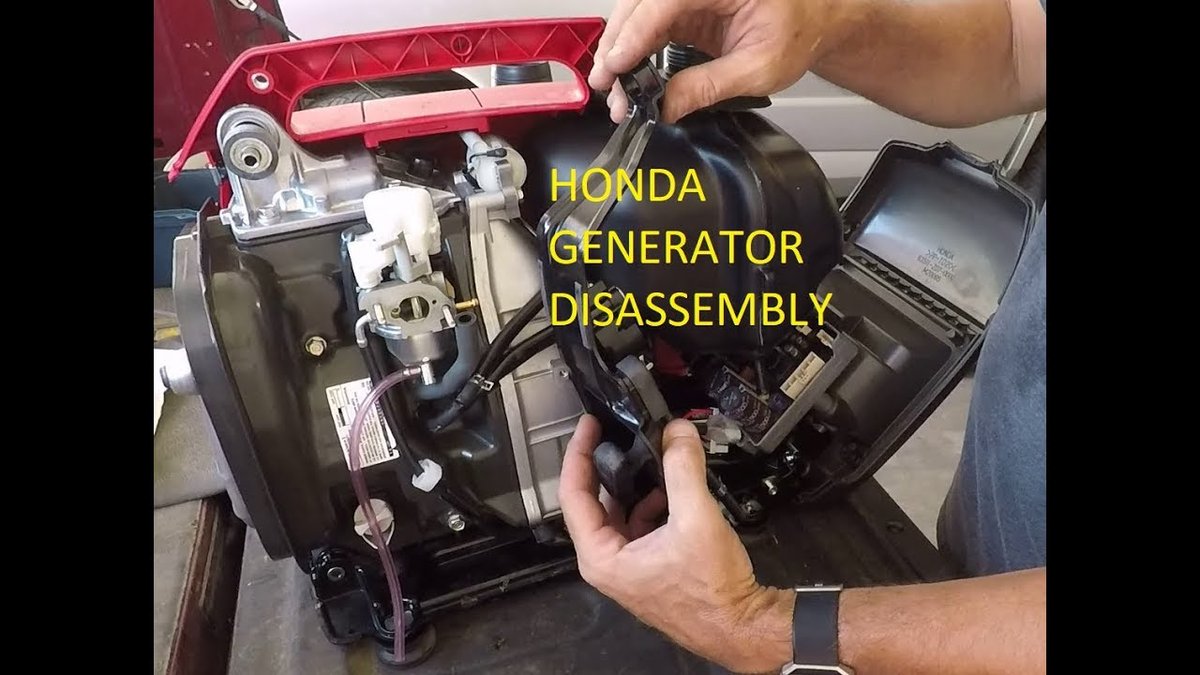
There's nothing quite as frustrating as needing reliable power, whether for a camping trip, a job site, or during an unexpected outage, only to have your generator sputter or refuse to start. For countless users, the Honda EU2000 has been a steadfast workhorse, renowned for its quiet operation and portability. But even the best machines need a little TLC to perform at their peak. This comprehensive Maintenance & Troubleshooting Guide for EU2000 is designed to empower you, the owner, to keep your trusted generator running smoothly for years to come.
Think of this as your personal mechanic in a guide, providing practical, step-by-step advice. We’ll cut through the jargon and get straight to what matters, ensuring your EU2000 is always ready when you are.
At a Glance: Key Takeaways for EU2000 Longevity
- Fresh Fuel is King: Old, ethanol-laden fuel is the number one enemy of small engines. Always use fresh, stabilized, non-ethanol gasoline if possible.
- Check Your Oil Religiously: Low oil triggers the generator's safety shutdown. Make checking a habit before every use.
- Airflow Matters: A clean air filter is crucial for optimal performance and engine health.
- Spark of Life: A healthy spark plug ensures reliable starting and efficient combustion. Keep an eye on its condition.
- Listen to Your Machine: Unusual noises, vibrations, or smells are early warning signs. Don't ignore them!
- Preventative Care Saves Headaches: A little routine maintenance goes a long way in avoiding major breakdowns and costly repairs.
Why Your EU2000 Deserves a Little Love
Your Honda EU2000 isn't just a piece of equipment; it's an investment in peace of mind. It’s the difference between a dark, cold night and a warm, lit home. It’s the convenience of powering your tools wherever you go. And like any investment, it performs best when well-maintained. Neglecting routine care can lead to poor performance, reduced lifespan, and inconvenient breakdowns precisely when you need it most. Regular maintenance protects its 98.5 cc Honda GX100 engine, ensures its quiet 53-decibel operation, and maintains its impressive fuel efficiency. It’s also about safety, ensuring features like circuit protection and the low oil shutdown system function correctly.
Understanding Your EU2000i: Key Components for Care
Before we dive into the nitty-gritty, it helps to briefly visualize the parts we'll be discussing. The Honda EU2000i, a compact and robust generator, primarily consists of:
- Engine: The heart of the generator (Honda GX100), responsible for converting fuel into mechanical energy.
- Fuel System: Tank, fuel line, petcock (fuel valve), carburetor, and often a fuel filter. This delivers and mixes fuel with air.
- Air Filter: Cleans the air entering the carburetor and engine.
- Spark Plug: Ignites the fuel-air mixture in the combustion chamber.
- Oil System: Crankcase, oil fill/drain, and the low-oil sensor.
- Muffler/Spark Arrestor: Reduces noise and prevents sparks from exiting the exhaust.
- Electrical System: Alternator (generates electricity), outlets, circuit breakers, and an Eco-Throttle system that adjusts engine speed for efficiency.
Knowing these basic components helps you understand why certain maintenance steps are critical. For a deeper dive into its design and capabilities, consult a comprehensive Honda EU2000 generator guide.
Your Routine Maintenance Checklist: A Schedule for Success
Consistency is key when it comes to generator maintenance. Here’s a practical schedule to keep your EU2000 in top shape.
Before Each Use (or every 8 hours of operation)
- Check Engine Oil Level:
- Place the generator on a level surface.
- Unscrew the oil filler cap/dipstick and wipe it clean.
- Reinsert the dipstick without screwing it in.
- Pull it out and check the oil level. It should be between the upper and lower limit marks.
- Add recommended oil (SAE 10W-30 is standard) if needed, slowly, to avoid overfilling.
- Why it matters: Low oil will trigger the generator's automatic shutdown, preventing engine damage.
- Inspect Air Filter:
- Remove the air cleaner cover.
- Check the foam filter element for dirt, debris, or damage.
- If dirty, clean it (instructions below). If torn or excessively worn, replace it.
- Why it matters: A dirty filter chokes the engine, leading to poor performance and increased fuel consumption.
- Check Fuel Level & Condition:
- Ensure there's enough fresh gasoline in the tank.
- Look for any signs of old fuel (dark color, strong varnish smell). Drain and refill if suspicious.
- Why it matters: Stale fuel is the leading cause of starting and running issues.
Every 50 Hours of Operation (or Annually, whichever comes first)
- Change Engine Oil:
- Warm up the engine for a few minutes (this helps the oil drain better).
- Place a drain pan beneath the generator.
- Remove the oil filler cap/dipstick and the oil drain bolt.
- Allow all the old oil to drain completely.
- Reinstall the drain bolt securely.
- Refill with the recommended type and amount of new oil (typically around 0.40 US qt or 0.38 L for the EU2000i).
- Why it matters: Oil lubricates moving parts, reduces friction, and prevents wear. Over time, it breaks down and accumulates contaminants.
- Clean Air Filter:
- Remove the air filter element.
- Wash the foam element in warm, soapy water.
- Rinse thoroughly until all soap is removed.
- Squeeze it dry in a clean towel.
- Lightly saturate the filter with clean engine oil, then squeeze out the excess (it should be damp, not dripping).
- Reinstall the clean filter.
- Why it matters: Prevents dust and debris from entering the engine.
- Inspect Spark Plug:
- Remove the spark plug cap.
- Use a spark plug wrench to carefully remove the spark plug.
- Inspect the electrodes for fouling (carbon buildup), pitting, or wear. A light tan or grayish color indicates good combustion.
- Measure the electrode gap with a feeler gauge (refer to your manual for the exact specification, typically 0.6–0.7 mm or 0.024–0.028 in). Adjust if necessary by carefully bending the ground electrode.
- Clean any carbon buildup with a wire brush.
- If heavily fouled, worn, or damaged, replace it with a new, correctly gapped spark plug.
- Reinstall the plug finger-tight, then tighten with a wrench a quarter to half turn. Reattach the spark plug cap.
- Why it matters: A healthy spark plug ensures efficient ignition and optimal engine performance.
Annually (or every 100 hours, if not done earlier)
- Clean Spark Arrestor:
- Locate the spark arrestor screen, usually at the end of the muffler assembly.
- Remove the bolts/screws securing it.
- Carefully pull out the screen.
- Use a wire brush to remove any carbon deposits.
- Reinstall the clean screen and secure it.
- Why it matters: A clogged spark arrestor restricts exhaust flow, leading to reduced power and potential overheating. It’s also often required for use in national parks and forests.
- Inspect Fuel Line and Filter:
- Visually check the fuel line for cracks, kinks, or leaks. Replace if damaged.
- If your model has an inline fuel filter, inspect it for sediment. Replace if dirty or clogged.
- Why it matters: Ensures a steady, clean fuel supply to the carburetor.
Troubleshooting Common EU2000 Issues: Diagnosing and Fixing
Even with meticulous maintenance, problems can arise. Here’s a guide to diagnosing and fixing the most common issues with your Honda EU2000.
Problem 1: Generator Won't Start (Engine Cranks, No Fire)
This is perhaps the most common and frustrating issue. Let's break down the possibilities, often following the "Fuel, Air, Spark, Compression" mantra.
Possible Causes & Solutions:
- No Fuel or Old Fuel:
- Check Fuel Level: Obvious, but often overlooked. Is there enough gas?
- Fuel Valve (Petcock): Is the fuel valve in the "ON" position?
- Fuel Cap Vent: Is the fuel cap vent lever in the "ON" position (open)? If closed, a vacuum can form, starving the engine of fuel.
- Stale Fuel: Gasoline breaks down over time, especially with ethanol. If your fuel is older than a month (without stabilizer) or smells like varnish, drain it and refill with fresh, stabilized fuel.
- Solution: Ensure fuel, petcock, and vent are open. If fuel is old, drain and replace.
- Low Engine Oil:
- The EU2000 has a low-oil shutdown feature to protect the engine. If the oil level is too low, it won't start.
- Solution: Check the oil level and add recommended oil if needed.
- Choke Position:
- For a cold engine, the choke lever should be in the "CHOKE" (closed) position. Once it starts, gradually move it to "RUN." For a warm engine, it should start directly in "RUN."
- Solution: Ensure proper choke usage for starting.
- Dirty Air Filter:
- A severely clogged air filter can prevent enough air from reaching the engine, making it difficult to start.
- Solution: Inspect and clean/replace the air filter.
- Spark Plug Issues:
- A fouled (oily/carboned up), damaged, or incorrectly gapped spark plug won't create a strong enough spark.
- Solution: Remove, inspect, clean, re-gap, or replace the spark plug.
- Carburetor Issues:
- This is often linked to old fuel. Varnish and gum deposits from stale fuel can clog the tiny passages in the carburetor, preventing fuel flow.
- Symptoms: Starts with choke, then dies; won't start at all; rough running.
- Solution: Try adding a fuel system cleaner to fresh fuel and run the generator for a bit. If that doesn't work, the carburetor might need to be cleaned or rebuilt. This can be complex, often requiring disassembly.
- Recoil Starter Won't Pull:
- Possible Cause: The engine might be hydrolocked (liquid in the cylinder) or seized.
- Solution: Remove the spark plug and try pulling the recoil starter. If it pulls freely, moisture might have been in the cylinder. If still stuck, do not force it. This indicates a serious internal engine problem, likely requiring professional service.
Problem 2: Generator Starts But Shuts Down Quickly
This usually points to an issue that interrupts the engine's operation after it initially fires up.
Possible Causes & Solutions:
- Low Engine Oil:
- The low-oil sensor might be triggering the shutdown shortly after starting, especially if the oil level is borderline.
- Solution: Check and top off the engine oil.
- Overload:
- If you connect too many appliances, the generator's internal circuit protection will trip to prevent damage. This is a crucial safety feature. The EU2000i has a maximum power output of 2000 watts.
- Solution: Unplug all devices, reset the circuit breaker on the generator, and restart. Connect appliances one by one, ensuring you don't exceed the generator's rated wattage.
- Clogged Fuel Filter / Restricted Fuel Flow:
- The engine might get just enough fuel to start, but not enough to sustain operation under load.
- Solution: Check and replace the inline fuel filter if present. Ensure the fuel cap vent is open and the fuel valve is fully open.
- Ventilation Issues:
- If the generator is running in an enclosed or poorly ventilated space, it can overheat and shut down.
- Solution: Always operate generators outdoors in a well-ventilated area, away from windows and doors, to prevent carbon monoxide buildup. Ensure adequate airflow around the unit.
Problem 3: Generator Runs Poorly or Loses Power
Your generator might start and stay running, but it's not performing as it should.
Possible Causes & Solutions:
- Stale or Low-Quality Fuel:
- Again, bad fuel can cause rough idling, surging, and reduced power output.
- Solution: Drain old fuel, replace with fresh, high-quality, stabilized gasoline.
- Dirty Air Filter:
- Restricted airflow makes the engine run "rich" (too much fuel, not enough air), leading to sputtering and reduced power.
- Solution: Clean or replace the air filter.
- Fouled or Worn Spark Plug:
- An inefficient spark can lead to incomplete combustion, causing the engine to run rough, misfire, and lose power.
- Solution: Inspect, clean, re-gap, or replace the spark plug.
- Clogged Carburetor:
- Partial clogs can cause intermittent issues, surging (engine speeds up and slows down irregularly), or a noticeable drop in power.
- Solution: Try a fuel system cleaner. If persistent, a carburetor cleaning or rebuild might be necessary.
- Clogged Spark Arrestor:
- Restricted exhaust flow can choke the engine, causing it to run poorly and lose power.
- Solution: Clean the spark arrestor.
Problem 4: No Power Output (Engine Runs Fine)
The engine hums along beautifully, but nothing is coming out of the outlets.
Possible Causes & Solutions:
- Tripped Circuit Breaker:
- Most common cause. Your generator has AC circuit protectors (breakers) to prevent damage from overloads.
- Solution: Reduce the load (unplug devices) and push the circuit breaker button back in to reset it.
- Overload:
- You've simply connected too many things. The EU2000i delivers a maximum of 2000 watts. If you try to run a high-wattage appliance like a space heater and a refrigerator simultaneously, you'll trip the breaker.
- Solution: Calculate the total wattage of your devices and ensure it's below 2000 watts for continuous operation. Remember surge wattage for starting motors can be higher.
- Faulty Receptacle or Cord:
- Sometimes the problem isn't the generator but the connection.
- Solution: Try different outlets on the generator. Test your extension cords with a known working power source if possible.
- Inverter/Alternator Issue:
- This is a more serious internal problem. If none of the above fixes work, and the engine is running normally, there could be an issue with the generator's internal electrical components.
- Solution: This typically requires professional diagnosis and repair.
Problem 5: Excessive Noise or Vibration
While the EU2000 is known for its quiet operation (around 53 decibels), unusual sounds can indicate trouble.
Possible Causes & Solutions:
- Loose Components:
- Over time, bolts and screws can loosen from vibration.
- Solution: Carefully inspect the generator's casing, engine mounts, and muffler for loose fasteners. Tighten anything that feels loose.
- Muffler Damage:
- A damaged or cracked muffler can significantly increase noise.
- Solution: Inspect the muffler. If damaged, it will likely need replacement.
- Improper Placement:
- Operating the generator on an uneven surface or too close to reflective surfaces (like a wall) can amplify noise and cause excessive vibration.
- Solution: Ensure the generator is on a stable, level surface. Move it further away from walls or fences.
- Internal Engine Issue:
- Knocking, grinding, or severe rattling from inside the engine suggests a serious internal problem.
- Solution: Stop the engine immediately and seek professional service.
Essential Tools for Your EU2000 Maintenance Kit
Having the right tools on hand makes maintenance and troubleshooting much easier:
- Spark Plug Wrench (16mm or 5/8 inch): Often comes with the generator, or a specialized socket wrench.
- Feeler Gauge: For checking spark plug gap.
- Screwdrivers: Philips and flathead for various panel and carburetor adjustments.
- Wrenches/Socket Set: For general tightening and loosening bolts (e.g., oil drain bolt).
- Oil Drain Pan & Funnel: For clean oil changes.
- Fuel Can: With fresh, stabilized fuel.
- Wire Brush: For cleaning spark plugs and spark arrestors.
- Clean Rags/Towels: For wiping up spills and cleaning parts.
- Replacement Parts: Keep a spare spark plug, air filter, and a small bottle of recommended oil handy.
- Fuel Stabilizer: Crucial for fuel longevity.
- Carburetor Cleaner: A spray can for quick cleaning.
When to Call a Pro: Knowing Your Limits
While this guide covers many common issues, there are times when it’s best to call in a certified service technician. Don't hesitate to seek professional help if:
- You've tried all the troubleshooting steps, and the problem persists.
- You're uncomfortable performing a particular repair, especially if it involves disassembling the engine or carburetor.
- There are significant fuel leaks you can't identify or safely stop.
- You hear unusual internal engine noises (grinding, knocking, loud clanking).
- The generator is producing smoke of an unusual color (blue, white, or thick black).
- The issue seems to be with the generator's electrical output beyond a simple breaker trip.
A professional technician has specialized tools, diagnostic equipment, and the expertise to handle complex repairs safely and effectively, ensuring your generator's longevity and your safety.
Beyond the Basics: Advanced Tips for Peak Performance
To truly master your EU2000, consider these advanced practices:
- Fuel Choice Matters: Always opt for fresh, high-octane (but not necessarily premium, unless recommended), ethanol-free gasoline if available. Ethanol attracts water and can cause significant damage to small engine fuel systems over time. Always add fuel stabilizer, especially for storage periods longer than a month.
- Long-Term Storage: If you plan to store your generator for more than 3 months, it's best to completely drain the fuel tank and run the engine until it stops. This ensures no stale fuel is left in the carburetor. Alternatively, fill the tank with stabilized fuel and run for a few minutes to ensure the stabilizer reaches the carburetor. Then, drain the float bowl on the carburetor.
- Parallel Operation: The EU2000i offers parallel capability, meaning you can link two units together for increased power output. If you use this feature, ensure both units are properly maintained and always follow the specific instructions for your parallel kit.
- Keep it Clean: Regularly wipe down the exterior of your generator. Dust and grime can insulate components, leading to overheating, and can mask potential leaks.
Power On with Confidence
Your Honda EU2000 is an incredibly reliable piece of equipment, but reliability isn't accidental—it's earned through consistent care. By following this Maintenance & Troubleshooting Guide for EU2000, you're not just performing tasks; you're investing in uninterrupted power and the peace of mind that comes with a dependable machine. From routine oil checks to diagnosing a stubborn start, you now have the knowledge to tackle most common issues. So, go forth, keep your generator humming, and enjoy consistent, efficient power for whatever adventures or emergencies come your way.